

support your body in early spring
/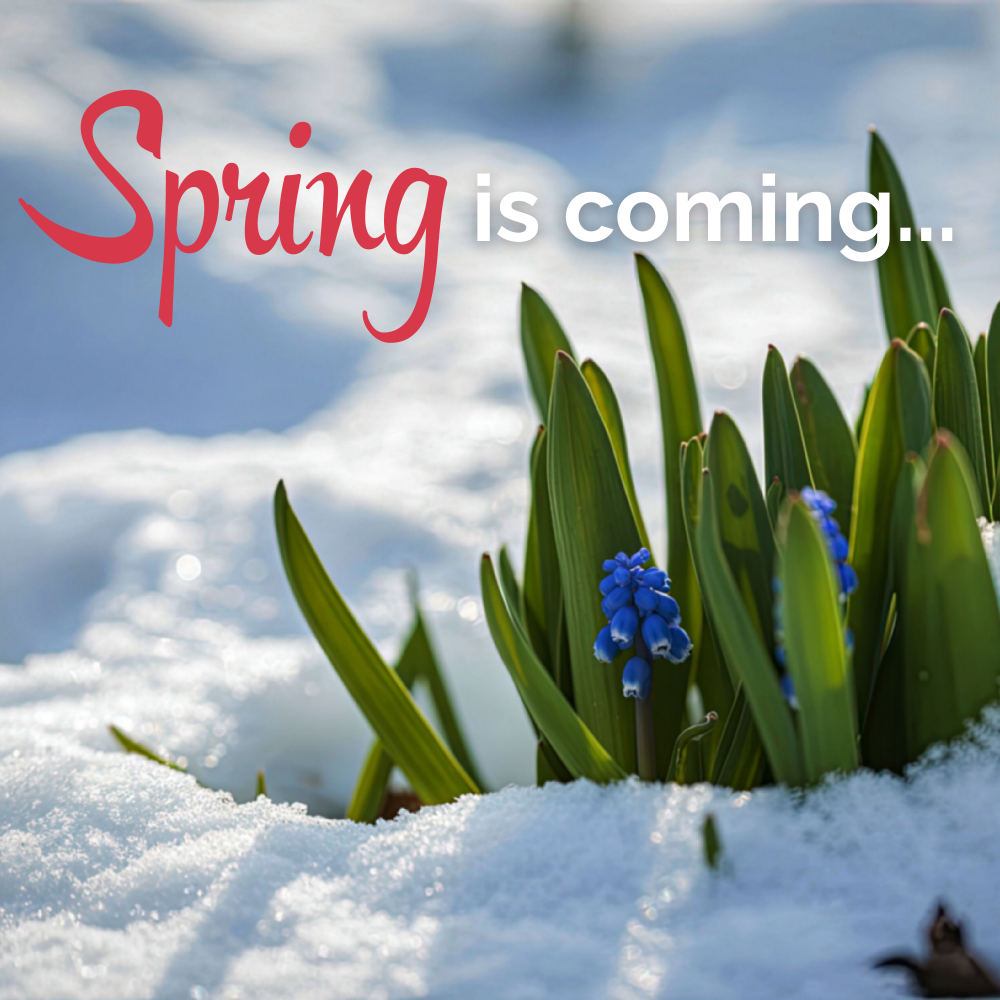
This weekend brings a shift into Spring with Daylight Saving Time. We made it through the darkest stretch of, what ended up being, a ‘real winter’ on the Cape, and the first glimmers of spring are finally starting to show. The clocks jump ahead, the days stretch a little longer, and even if the snow isn’t completely melted, something deeper in the seasonal rhythm has already begun to shift.
In Traditional Chinese Medicine, spring doesn’t start on the calendar date most of us recognize. Energetically, it begins much earlier, around the beginning of February, when the natural world slowly emerges from winter’s deep rest. At first, the changes are subtle: a softer quality to the light, a little more moisture in the air, the occasional warm afternoon that makes you think maybe we’re turning a corner. And then the next day it snows again — perfectly spring-like in its unpredictability.
The Energy of Early Spring
In Traditional Chinese Medicine, spring is associated with movement, growth, and awakening. It corresponds to the Wood element, a phase associated with growth, renewal, and the gradual return of movement after winter.
After winter’s inward stillness, both body and mind begin to stir. Energy that was stored and conserved during the colder months starts to circulate again, encouraging activity, creativity, and forward momentum. Can you feel that shift?
But early spring is rarely smooth or consistent. This time of year is also associated with Wind, the most changeable of environmental forces. Wind arrives suddenly, shifts direction without warning, and can feel invigorating one moment and unsettling the next. That same quality often shows up internally during this seasonal transition. Early spring energy can feel: unpredictable, windy (both literally and metaphorically), restless, and full of starts and stops. One day you feel energized and ready to reorganize your entire house; the next, you want to crawl back under a blanket. That push-pull feeling is a hallmark of this transitional season — a reflection of the shifting weather outside and the subtle changes taking place within the body.
Spring is also closely connected to the Liver system in TCM, which is responsible for the smooth flow of energy (Qi) throughout the body. During this time, people may notice tension in the neck and shoulders, changes in mood, digestive shifts, or a general sense of restlessness. These are often simply signs that the body is adjusting as energy begins to circulate more actively with the arrival of spring.
Supporting the Seasonal Transition
As the body shifts out of winter’s slower rhythm, it’s common to notice areas that feel a little stuck — lingering stiffness, sluggish circulation, or tension that built up during months of cold weather and reduced movement. This makes spring an ideal time to encourage gentle movement throughout the body’s systems with sessions such as Lymphatic Drainage, Reflexology, and Acupuncture.
Lymphatic Drainage is an especially supportive treatment in the spring months. It helps stimulate the body’s detoxification pathways, encouraging the movement of fluid and reducing the heaviness that can linger after winter. By supporting circulation and lymphatic flow, it’s a wonderful way to help the body transition into the new season.
Reflexology stimulates reflex points connected to major organs, reawakening the body’s internal systems after winter’s slower pace. Encouraging balance, increasing circulation, supporting digestion and resetting the nervous system, Reflexology helps the body recalibrate as the energy of the season begins to shift.
Acupuncture helps supports the Liver system in spring, restoring the smooth flow of energy throughout the body, easing tension, and guiding the natural rise of energy that accompanies the changing season. When the Liver is supported, Qi flows smoothly and we feel more balanced emotionally and physically.
Spring is already on its way. Some days will feel light and energizing, others may still call for rest and warmth — and that’s exactly the rhythm of early spring. Together, these treatments support the body in doing what it’s already trying to do this time of year: release what has been stagnant, restore movement, and settle into the new rhythm of the season. We look forward to supporting you through the seasonal transition.